Mezcal vs. Tequila: The Short Answer
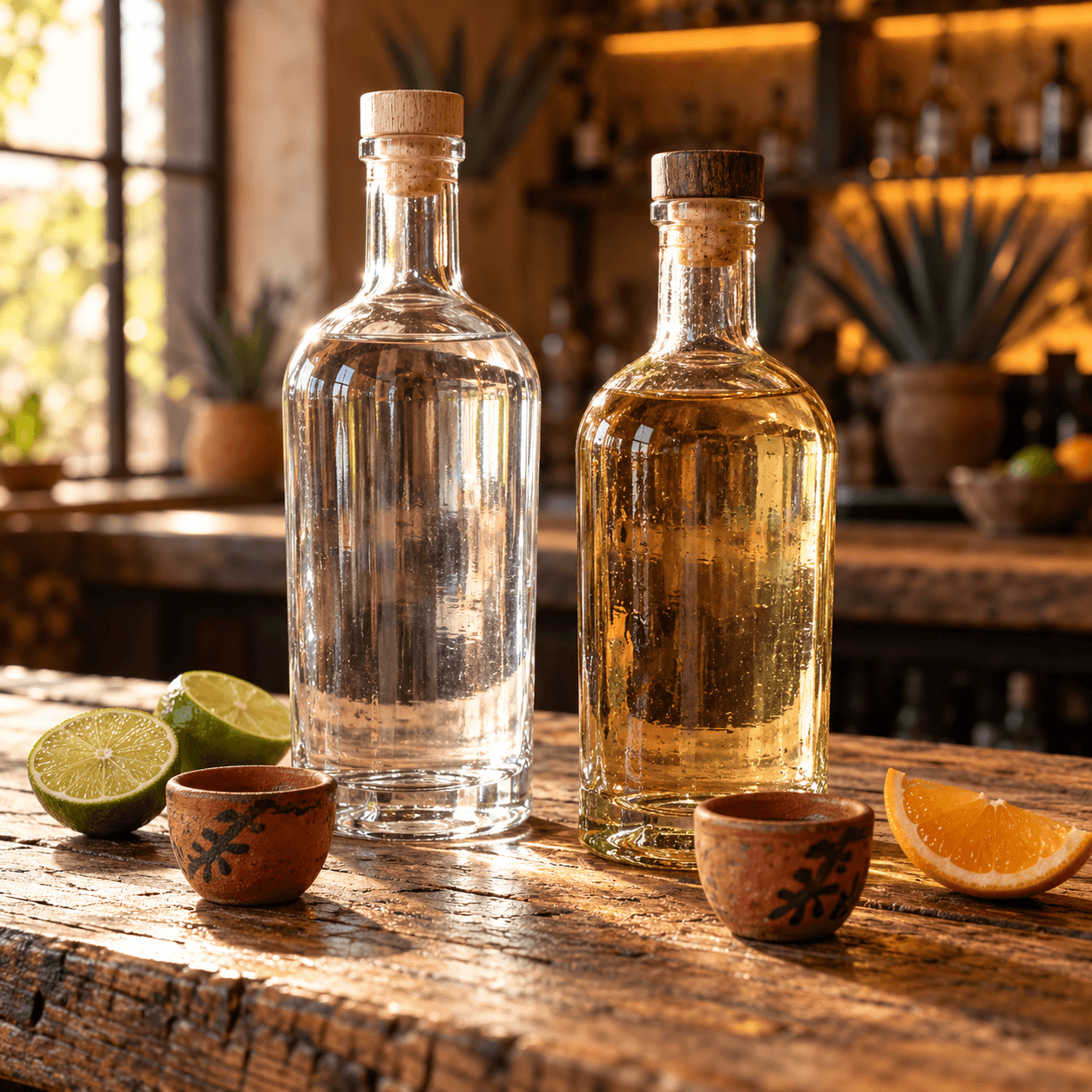
All tequila is mezcal, but not all mezcal is tequila. Mezcal is the broad category for any Mexican spirit distilled from agave. Tequila is a specific type of mezcal, made only from blue Weber agave, produced in a handful of designated Mexican states, and governed by its own rules.
So if you have ever wondered if mezcal is tequila, the answer runs one direction only. Every bottle of tequila qualifies as a mezcal by definition, but a bottle of mezcal is not tequila unless it meets those narrower requirements.
The practical difference most people notice is smoke. Mezcal agave is traditionally roasted in underground pits lined with hot rocks and wood, which gives the finished spirit a smoky, earthy character. Tequila agave is steamed in ovens or autoclaves, which produces a cleaner, sweeter, more vegetal spirit.
If you want a crisp Margarita, reach for tequila. If you want that same drink with depth and a campfire edge, reach for mezcal. Neither one outranks the other. They are different tools for different jobs, and most folks end up keeping both on the shelf.
Side by Side: The Key Differences
The table below covers every meaningful difference between the two categories in one view.
| Tequila | Mezcal | |
| Agave | Blue Weber only | Dozens of varieties |
| Region | Jalisco plus limited municipalities nearby | A defined set of Mexican states, mostly Oaxaca |
| Cooking method | Steamed in ovens or autoclaves | Pit roasted over wood and hot rocks |
| Flavor | Cleaner and sweeter, citrus and white pepper | Smoky and earthy, far more variable |
| Production scale | Largely industrial | Largely artisanal and small batch |
| Price | Entry level generally more affordable | Slower, more labor intensive production |
Both categories sit alongside each other in our full spirits selection, and our local teams can walk you through either side of that chart in person.
🌵 Shopping both categories? Tequila and mezcal sit side by side at Zipps, priced 10-30% below local competitors.
Shop Agave SpiritsWhat Is Tequila?
Tequila is an agave spirit made from 100 percent blue Weber agave and produced in a legally defined region of Mexico. It is regulated by a Mexican denomination of origin, which means a spirit made outside those regions or from a different agave cannot legally be called tequila. Production centers on the state of Jalisco, with limited municipalities elsewhere also permitted.
How Tequila Is Made
Blue Weber agave takes several years to mature. At harvest, workers strip the spiky leaves to expose the heart of the plant, called the piña, which can weigh hundreds of pounds.
Those piñas are then cooked, most commonly by steaming in brick ovens or stainless autoclaves. Steaming converts the plant’s starches to fermentable sugars without introducing smoke. The cooked agave is crushed, the juice is fermented, and the result is distilled twice, usually in copper pot stills or column stills.
The Tequila Categories
- Blanco. Unaged or rested only briefly. The purest expression of the agave, with bright pepper and citrus. Best for Margaritas and Palomas.
- Reposado. Rested in oak for months. Softer, with light vanilla and caramel layered over the agave. A versatile middle ground.
- Añejo. Aged longer in oak. Darker, rounder, and closer in character to a whiskey. Usually sipped neat.
- Extra Añejo. The longest aged category. Rich and oak-forward, and priced accordingly. This is a sipping bottle.
The 100 Percent Agave Rule
This is the single most useful thing to check on a tequila label. A bottle marked “100% de agave” is made entirely from agave sugars. A bottle without that marking is a mixto, which is permitted to include other sugars alongside the agave.
Mixto tequila is where tequila’s reputation for rough mornings comes from. If a label does not say 100 percent agave, it is skipping a claim it could have made, which tells you what you need to know.
What Is Mezcal?
Mezcal is any distilled spirit made from agave in Mexico under its own denomination of origin, covering a defined set of states with Oaxaca producing the overwhelming majority. Where tequila is locked to one agave variety, mezcal can be made from dozens.
How Mezcal Is Made
The defining step is the roast. Agave piñas are placed in a conical pit dug into the ground, lined with volcanic rocks heated by a wood fire, covered with agave fiber and earth, and left to roast for several days. That process caramelizes the sugars and saturates the plant with smoke.
The roasted agave is then traditionally crushed by a stone wheel called a tahona, pulled by a horse or mule, fermented in open wooden vats with wild yeast, and distilled in small clay or copper pots. Many producers still do all of this by hand on a small scale.
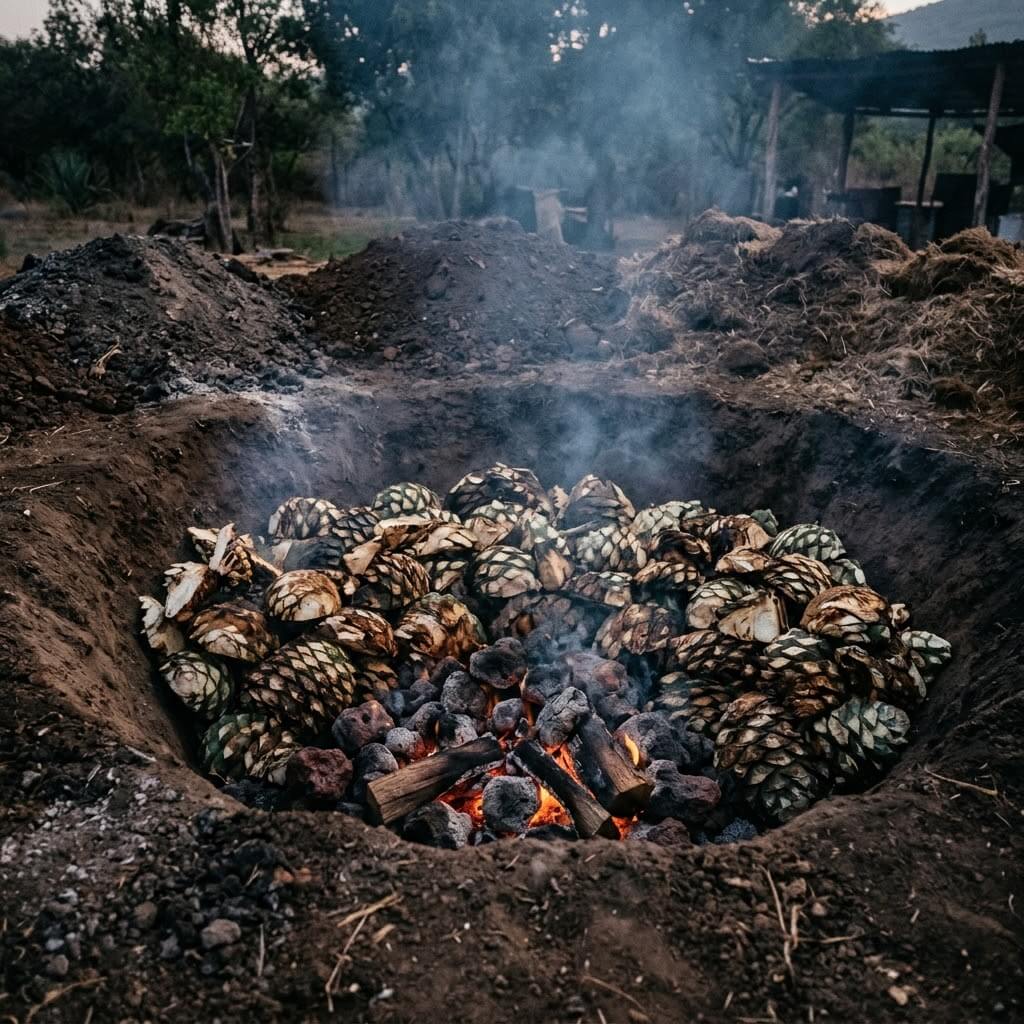
That production method is why mezcal tastes the way it does, and also why it varies so much from bottle to bottle. Two mezcals from neighboring villages can taste almost nothing alike.
Agave Varieties in Mezcal
- Espadín. The large majority of mezcal production. Balanced, approachable, and the best starting point.
- Tobalá. A wild, smaller agave. Floral, fruity, and more delicate.
- Tepeztate. One of the slowest to mature. Intensely vegetal and herbal.
- Madrecuixe. Lean, mineral, and peppery.
Wild agave varieties take far longer to mature and cannot be farmed efficiently, which is why those bottles carry higher price tags.
Mezcal Aging Categories
- Joven. Unaged. The standard and the most common expression.
- Reposado. Rested in wood for months.
- Añejo. Aged longer in wood.
Most mezcal drinkers stay with joven, since aging tends to cover the agave character that makes the category interesting in the first place.
Which One for Which Cocktail?
The short version: tequila for anything bright and citrus-forward, mezcal when you want smoke in the glass.
Margarita. Blanco tequila is the default and the right call for a classic. Swap in mezcal for a mezcal Margarita, which is one of the best entry points into the category. A half-and-half split of tequila and mezcal gives you smoke without overwhelming the lime.
Paloma. Blanco tequila. The grapefruit soda needs a clean spirit underneath it, and mezcal tends to fight with it.
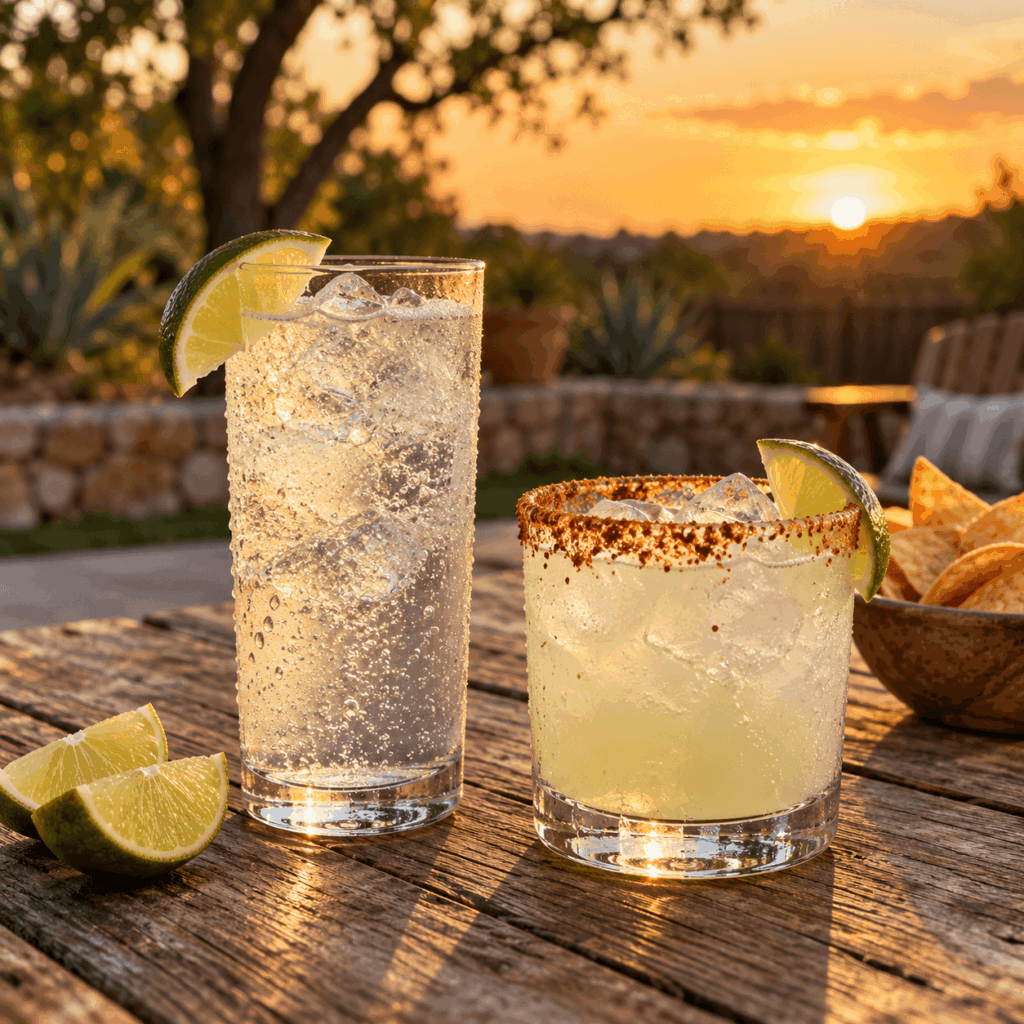
Ranch Water. Blanco tequila, lime, and sparkling mineral water. This is the Texas drink, and it is built on tequila. Mezcal works but makes it a different thing entirely.
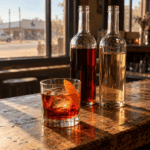
Negroni variation. Mezcal. Substituting mezcal for gin in a Negroni produces one of the better modern riffs on the drink, since smoke and bitterness work well together.
Old-fashioned style. Añejo tequila or añejo mezcal, with agave syrup in place of sugar. A strong cold weather option.
Neat pours. Either. A good joven mezcal served at room temperature in a small glass, with an orange slice, is the traditional way to drink it. Añejo and extra añejo tequila are the sipping end of that category.
If the smoky side is where you want to start, we put together a full roundup of smoky mezcal cocktails every Texan should try with builds and ratios.
🛒 Building a Margarita or Ranch Water night? Grab the tequila, the mixers, and the limes in one stop. Pickup or delivery from 35+ Texas locations.
Shop MixersHow to Taste Agave Spirits Properly
Tasting agave spirits well comes down to glassware, temperature, and patience. A few habits change the experience considerably.
Use the right glass. A small tulip-shaped glass or a traditional Mexican copita concentrates the aroma. A shot glass does the opposite, pushing alcohol vapor straight up your nose and flattening everything underneath it.
Serve at room temperature. Chilling mutes Agave’s character. Neither tequila nor mezcal belongs in the freezer, whatever the bar habit suggests.
Let it sit. Pour and wait a minute or two before the first sip. The sharpest alcohol notes burn off, and the vegetal and mineral layers come forward.
Sip, do not shoot. Shooting is a habit built around mixto tequila, where speed was the point. With 100 percent agave spirits there is something to taste, and the whole value of the bottle is in that.
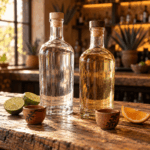
Skip the salt and lime ritual. Salt and lime exist to mask harshness. A good blanco does not need masking. If you want citrus, an orange slice alongside a mezcal is the traditional accompaniment, and it complements rather than covers.
Why Agave Spirits Cost What They Do
Agave spirits are priced the way they are because the plant itself takes years, not a season, to mature. A bottle of bourbon starts with grain that grows and gets harvested inside a single year. A bottle of tequila starts with a plant that spends years in the ground, and some wild mezcal agaves take considerably longer than that.
That timeline drives everything about the category’s pricing. Agave cannot be scaled up quickly in response to demand, and the global surge in agave spirit consumption over the past decade has put real pressure on supply. When agave prices rise, entry-level bottles are usually the first to feel it.
It also explains why wild agave mezcals carry the prices they do. A tepeztate harvested after decades of growth represents all of that time in a single bottle, distilled in small batches by hand. The cost is not a premium for marketing. It is the actual arithmetic of the plant.
Volume buying is where that math improves for the customer. Case pricing on tequila and mezcal makes a noticeable difference when you are stocking for a holiday gathering or a party, and it is worth asking your local store about before you build a large order.
Common Myths
“The worm means it is authentic.” The larva found in some bottles is a mid-century marketing invention and appears in low-quality products far more often than good ones. A quality mezcal will not have one.
“Tequila is a stimulant.” It is not. Tequila is a distilled spirit like any other and affects the body the same way.
“Mezcal is always smoky.” Most of it is, but not all. Some producers use steam or aboveground ovens and make mezcal with very little smoke at all.
“Aged is always better.” With agave spirits, aging is a stylistic choice rather than a quality ladder. A well-made blanco from a good distillery beats a mediocre añejo without much argument.
How to Read an Agave Spirit Label
An agave spirit label carries a handful of markings that tell you what is actually in the bottle.
- 100% de agave. On tequila, this is the baseline for quality. Look for it.
- NOM number. A code identifying the distillery that produced the spirit. Several brands often share one NOM.
- Agave variety. On mezcal, the label usually names the agave used. Espadín is the approachable standard.
- Additive-free designations. Some producers voluntarily certify that no coloring, sweetener, or glycerin was added. Not required, but a useful signal.
- Destilado con pechuga. A mezcal distilled with fruit and a raw protein suspended in the still. Distinctive, seasonal, and worth trying once.
Building an Agave Shelf at Home
A complete agave shelf takes three bottles, not a wall of them.
One blanco tequila. Your workhorse. This covers Margaritas, Palomas, Ranch Water, and most of what you will actually mix.
One joven espadín mezcal. Your smoke option. Use it in half measures alongside tequila before committing to it as a full base.
One reposado or añejo. Your sipping bottle. Reposado is the more flexible of the two, since it can still be mixed.
From there, expand based on what you reach for. If the mezcal empties first, go deeper into agave varieties. If the blanco empties first, upgrade it.
With more than 20,000 products across spirits, wine, and beer, we carry the agave category at every tier, and everyday low pricing on major brands means a full agave shelf costs meaningfully less here than at most local competitors.
Tequila and Mezcal in Texas
Agave spirits have a natural home in Texas, and not only because of proximity to the border. Ranch Water has gone from a West Texas regional habit to a statewide default, and the lime and mineral water blend is close to ideal for Texas heat.
There is also a small but growing category of Texas-made agave spirits. These cannot legally be called tequila or mezcal, since both names are tied to Mexican regions, so they appear on shelves as agave spirits. Several are genuinely good, and our roundup of Texas tequilas worth trying covers the sippers, margarita bottles, and craft picks our customers reach for most.
For Texas cooking, the pairing logic is straightforward. Blanco tequila cuts through heat and citrus, which makes it a natural with tacos and ceviche. Mezcal’s smoke sits alongside grilled and barbecued meat better than almost any other spirit, which is worth remembering the next time the smoker is running.
Where to Buy Tequila and Mezcal in Texas
Zipps Liquor has served Texas communities since 1994, with locations across rural and urban parts of the state. Our agave selection spans everyday blancos through aged and limited bottles, and our local teams can point you toward what fits the drink you are making. No long drive to a big city required.
Ready to pick up a bottle? Find your nearest Zipps Liquor store and ask whoever is on the floor what has been moving lately. That recommendation is usually better than anything on a shelf tag.
Frequently Asked Questions
Is mezcal the same as tequila?
No. Tequila is a specific type of mezcal made only from blue Weber agave in designated regions. Mezcal is the broader category covering any Mexican agave spirit, made from dozens of agave varieties.
Why does mezcal taste smoky?
Mezcal agave is roasted in underground pits lined with hot volcanic rocks and wood before fermentation. That roasting process saturates the agave with smoke, which carries through distillation into the finished spirit.
Which is stronger, mezcal or tequila?
Neither is inherently stronger. Both are bottled at comparable strength, typically 40 percent alcohol by volume and up. Mezcal is more often found at higher proof, but that is a production convention rather than a rule.
Can you substitute mezcal for tequila in a Margarita?
Yes, and it is one of the most popular variations. A full mezcal Margarita is smoky and intense. Splitting the base half tequila and half mezcal gives you smoke without losing the brightness of the classic.
What does 100 percent agave mean on a tequila bottle?
It means the spirit was made entirely from agave sugars. Tequila without that marking is a mixto, which is allowed to include other sugars alongside the agave.
Should mezcal be sipped or mixed?
Both. Traditionally it is sipped neat at room temperature with an orange slice. It also works well in Margaritas, Negroni variations, and anything where smoke complements the other ingredients.
What is the worm in mezcal?
A moth larva that lives in agave plants. It is a mid twentieth century marketing addition rather than a mark of authenticity, and it is generally absent from quality bottles.
Stock Your Agave Shelf at Zipps
Selection. Savings. Service. Tequila and mezcal from everyday blancos to limited releases, priced 10-30% below local competitors.
★ Texas Retailer of the Year 2023 | 10-30% Lower Prices | Texas-owned since 1994