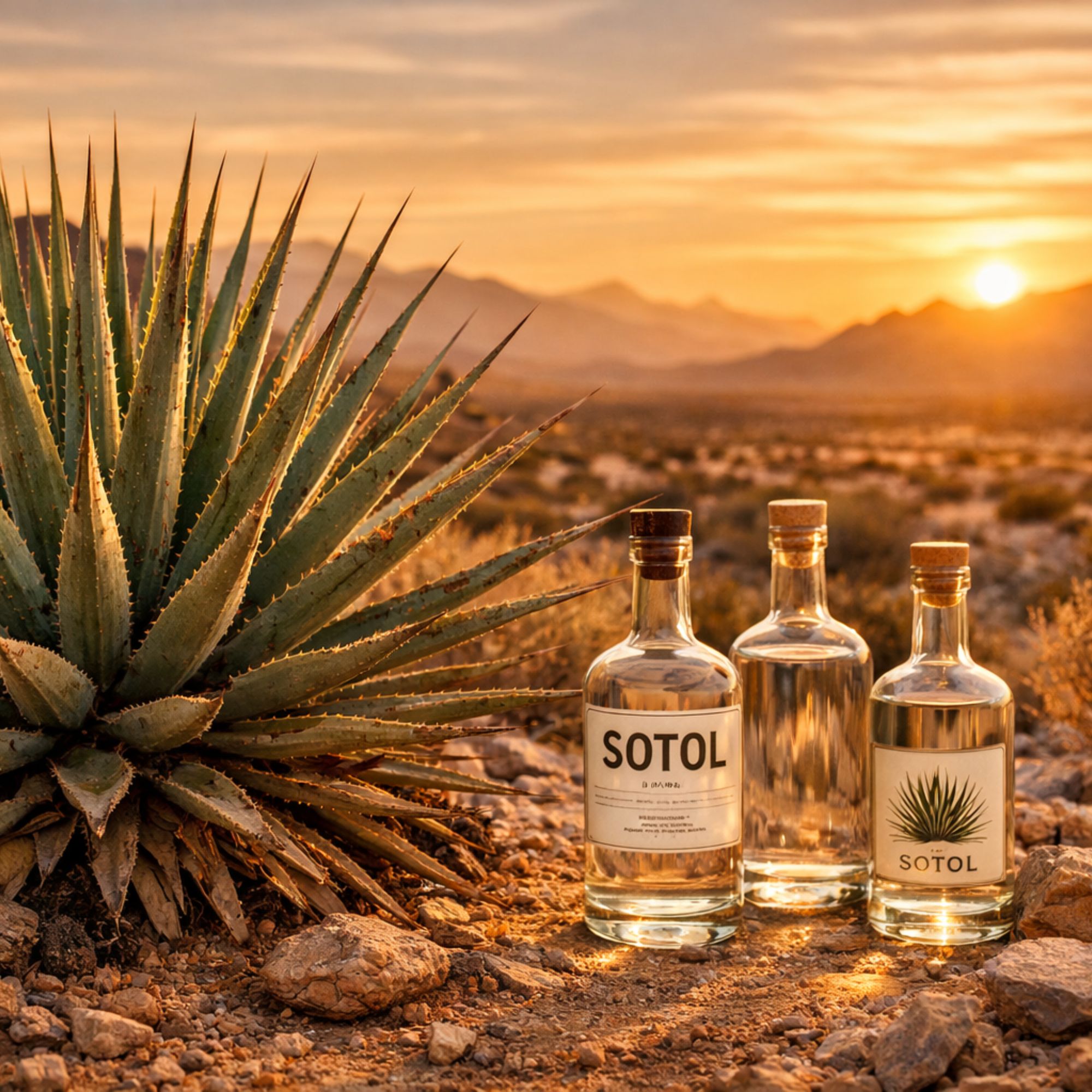
Walk into any well-stocked Texas liquor store today and you’ll notice a spirit category gaining serious momentum: sotol. This desert-born spirit captures attention from Austin bartenders to rural Texas enthusiasts seeking something genuinely different from standard tequila or whiskey selections.
Sotol tells a compelling story about Texas landscapes, indigenous traditions, and the craft distilling movement finding new expressions of place. If you’ve been curious about that intriguing bottle with the spiky plant on the label, or if a bartender recently suggested trying sotol in your Paloma, this comprehensive guide explains everything about Texas sotol and why it’s becoming a staple in liquor cabinets statewide.
What Exactly Is Sotol?
Sotol is a distilled spirit made from the desert spoon plant, scientifically known as Dasylirion. Despite frequent comparisons to tequila and mezcal, sotol comes from an entirely different plant family. Where tequila and mezcal use various agave species, sotol distillers harvest the heart of the desert spoon plant, which grows wild across the Chihuahuan Desert spanning northern Mexico and parts of West Texas.
The desert spoon plant takes fifteen to twenty years to mature before harvest, growing slowly in harsh desert conditions. This extended maturation creates sugars that, when cooked, fermented, and distilled, produce a spirit with distinctive herbal, earthy, and sometimes peppery flavors.
Sotol is a Texas desert spirit distilled from the desert spoon plant (Dasylirion), taking 15-20 years to mature. Unlike tequila and mezcal which use agave, sotol delivers herbal, vegetal, and peppery flavor profiles with grassy, bell pepper, and mineral notes that make it ideal for Ranch Waters and Palomas.
Historically, indigenous communities in what’s now northern Mexico and West Texas made sotol for centuries before Spanish colonization. The drink held cultural and ceremonial significance, with families passing down production methods through generations. Modern Texas sotol production honors these traditions while applying contemporary distilling techniques.
The flavor profile differs notably from agave spirits. Where tequila often tastes sweet with cooked agave notes and mezcal brings smokiness, sotol tends toward grassy, herbal, and vegetal characteristics. Some describe it as tasting green—like fresh-cut grass mixed with bell pepper and subtle mineral notes.
How Texas Sotol Is Made
Understanding sotol production helps explain why it tastes the way it does. The process shares some similarities with mezcal but creates distinctly different results.
Harvest begins with mature desert spoon plants. Distillers remove the long, spiky leaves to reveal the plant’s piña or heart, similar to agave harvesting. These piñas can weigh twenty to sixty pounds depending on plant age and growing conditions.
Cooking the piñas converts complex carbohydrates into fermentable sugars. Texas sotol makers use various cooking methods. Some roast piñas in underground pits like traditional mezcal, others use above-ground ovens or steam cooking. The cooking method significantly impacts final flavor. Pit roasting can add subtle smoke, while steaming creates cleaner, more herbal profiles.
After cooking, the piñas are crushed to release sugary juice, which is then fermented. Natural yeasts or cultivated strains convert sugars into alcohol over several days. Fermentation temperature and duration affect the final spirit’s character, with slower, cooler fermentations generally producing more complex flavors.
Distillation usually happens in copper pot stills, though some producers use column stills. Most sotol is distilled twice, similar to tequila production. The distiller makes cuts during distillation, separating heads, hearts, and tails. Skill in making these cuts determines final spirit quality.
Some sotol is bottled immediately after distillation as blanco or joven style. Others rest in stainless steel to mellow before bottling. Aged expressions spend time in oak barrels, usually previously used for whiskey or wine, developing additional complexity, color, and softer flavors.
Texas distillers bring local character to sotol through water sources, specific desert spoon plant populations, and subtle production variations. The result is sotol that tastes distinctly Texan while honoring the spirit’s desert heritage.
What Does Texas Sotol Taste Like?
Describing sotol flavor challenges even experienced tasters because it doesn’t fit neatly into familiar spirits categories. However, several common tasting notes appear consistently.
Herbal character dominates most sotol expressions. Think fresh herbs like cilantro, oregano, or even eucalyptus. These green, plant-forward flavors make sotol immediately recognizable.
Vegetal notes show up prominently, particularly bell pepper, fresh-cut grass, and sometimes cucumber or celery. These flavors sound unusual for a spirit but work surprisingly well in cocktails or served neat. The vegetal quality feels fresh rather than heavy or cloying.
Peppery spice adds backbone to sotol. Black pepper, white pepper, or even jalapeño-like heat can appear depending on specific production. This spice isn’t overwhelming—it provides pleasant warmth that balances the herbal and vegetal notes.
Mineral-driven flavors reflect the desert soils where desert spoon plants grow. Some sotols taste slightly chalky or flinty, like wet stones after rain. This minerality adds complexity and gives sotol a sense of place.
Citrus notes appear in some sotols, particularly grapefruit or lime zest. These bright flavors make sotol naturally suited for citrus-forward cocktails—check out our Texas spicy cocktails guide to see how sotol works in regional favorites.
Aged sotol develops additional characteristics. Oak aging introduces vanilla, caramel, and baking spice notes while mellowing the aggressive green flavors. Reposado-style sotol (rested two to twelve months) shows subtle oak influence. Añejo-style sotol (aged over a year) can resemble aged tequila with deeper caramel and spice while maintaining that distinctive herbal backbone.
Sotol vs. Tequila vs. Mezcal: Key Differences
Many drinkers first encounter sotol through comparisons to tequila or mezcal, which makes sense since these spirits share Mexican heritage and sometimes similar serving styles. Understanding the differences helps you choose the right spirit for your preferences and cocktails.
Plant Differences
The plant source creates the foundational difference. Tequila must be made from blue agave (Agave tequilana), a specific agave species grown primarily in Jalisco, Mexico. Mezcal can be made from over thirty agave species, with espadín being most common. Sotol uses the desert spoon plant (Dasylirion), which isn’t agave at all but belongs to the Asparagaceae family.
These different plants create different sugars, enzymes, and flavor compounds. Even before distillation, the raw material determines the spirit’s basic character. Desert spoon creates herbaceous, vegetal flavors, while agave creates sweeter, fruitier profiles.
Flavor Differences
Tequila typically offers sweet agave notes with citrus, pepper, and sometimes vanilla flavors, especially in aged expressions. Quality blanco tequila tastes clean with pronounced cooked agave sweetness. Aged tequila develops caramel, vanilla, and oak spice—read our best tequila for margaritas guide to understand tequila styles better.
Mezcal brings smokiness from underground pit roasting, along with earthy, fruity, and sometimes mineral flavors. The smoke can range from subtle to aggressive depending on production methods and agave species used. Mezcal often tastes funkier and more complex than tequila.
Sotol emphasizes herbal, vegetal, and peppery flavors with less sweetness than agave spirits. The green, grassy character makes sotol taste closer to certain gins than to tequila. Smoke, when present, is typically subtle. The overall impression is fresher, brighter, and more plant-forward than tequila or most mezcal.
Cocktail Uses
Tequila’s sweetness and clean flavor work in margaritas, Palomas, and citrus-forward drinks where you want agave to shine through. Tequila’s versatility makes it the default choice for most Mexican-inspired cocktails.
Mezcal’s smokiness adds depth to cocktails like mezcal margaritas, mezcal negronis, or smoky Old Fashioneds. The funky complexity makes mezcal interesting for adventurous drinkers who want bold flavors.
Sotol’s herbaceous character creates cocktails with greener, fresher profiles. A sotol Ranch Water tastes lighter and more herbal than the tequila version. Sotol Palomas emphasize grapefruit’s brightness while adding peppery complexity.
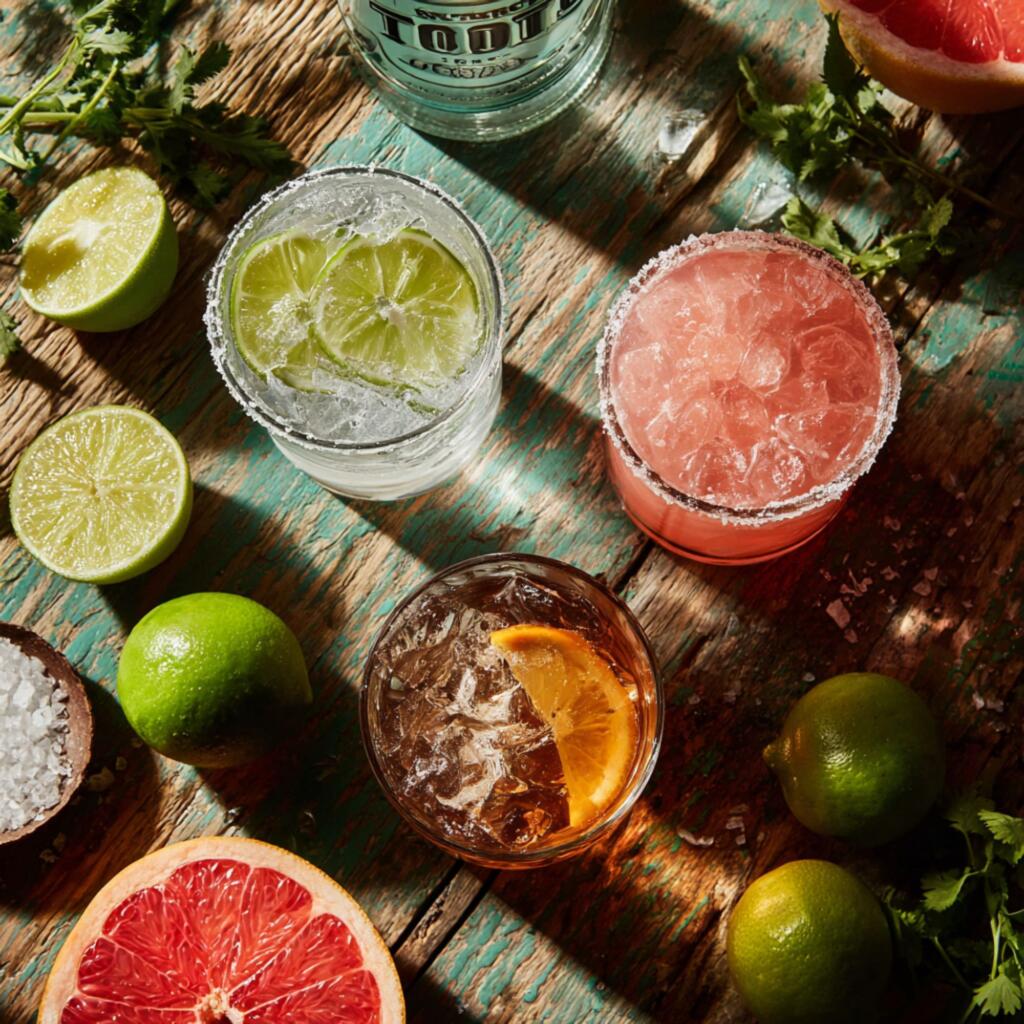
Best Texas Sotol Cocktails to Try
Texas Sotol Ranch Water
Ranch Water, Texas’s unofficial summer drink, takes on new character with sotol. Combine two ounces of sotol with the juice of one lime and top with Topo Chico mineral water. Serve over ice in a highball glass with a lime wedge. The sotol’s herbal notes pair beautifully with lime’s acidity and Topo Chico’s minerality.
Sotol Paloma
The Paloma showcases grapefruit and sotol’s natural affinity. Mix two ounces of sotol with one ounce of fresh grapefruit juice, half an ounce of lime juice, and half an ounce of agave syrup. Shake with ice and strain into a salt-rimmed glass over fresh ice. Top with a splash of Topo Chico. The grapefruit’s bitterness complements sotol’s peppery character while the carbonation keeps everything refreshing.
The Desert Old Fashioned
For a Texas twist on the classic Old Fashioned, muddle a sugar cube with two dashes of Angostura bitters and one dash of orange bitters. Add two ounces of sotol and stir with ice until well-chilled. Strain into a rocks glass over a large ice cube. Express an orange peel over the drink and use it as garnish. Sotol’s herbal notes create an Old Fashioned that tastes distinctly different from whiskey versions while maintaining the drink’s spirit-forward character.
Sotol Margarita (Herbal Edition)
Transform the margarita by swapping tequila for sotol. Combine two ounces of sotol with one ounce of fresh lime juice, three-quarters ounce of orange liqueur, and half an ounce of agave nectar. Shake vigorously with ice and strain into a salt-rimmed glass over fresh ice. Garnish with a lime wheel. The sotol creates a margarita that tastes greener and more complex than traditional versions, perfect for margarita fans who want something new.
For more springtime cocktail ideas and seasonal variations, check out our mixology guides.
Why Texans Are Embracing Sotol
Several factors explain sotol’s growing popularity in Texas beyond simple novelty appeal.
Local sourcing matters to many Texans. While desert spoon plants grow wild in West Texas, having a distilled spirit with Texas roots creates connection and pride. Supporting Texas sotol producers means supporting Texas agriculture and craft distilling, values that resonate across the state.
The craft movement has trained Texas drinkers to appreciate distinctive, artisanal spirits. After embracing craft beer and bourbon, many Texans actively seek unique spirits that tell regional stories. Sotol fits perfectly into this mindset, offering authentic heritage combined with craft production.
Sotol’s unique flavor profile attracts adventurous drinkers tired of standard spirits. If you’ve tried every whiskey and tequila on the shelf, sotol offers genuinely different flavors. The herbal, vegetal character provides new experiences for home bartenders and cocktail enthusiasts.
The spirit represents Texas terroir in a bottle. Few other spirits can claim Texas as their natural home the way sotol can. For Texans who take pride in their state’s landscape and culture, sotol offers a way to drink something genuinely local—similar to the appeal of Texas wines available at Zipps.
Rising popularity in Austin, San Antonio, and Hill Country bars has created awareness and demand. When respected bartenders feature sotol cocktails on menus, curious drinkers try them, enjoy them, and seek bottles for home use.
Where to Buy Texas Sotol in Texas
Finding quality sotol has become easier as more retailers recognize growing demand. At Zipps Liquor, we stock Texas sotol and Mexican sotol expressions across our locations, offering the selection rural and urban communities deserve at competitive prices.
Houston shoppers can explore sotol selections at our Houston store, where staff can guide you toward bottles that match your flavor preferences and cocktail plans.
East Texas residents discovering sotol can find bottles at our Marshall, Nacogdoches, Livingston, and Jacksonville locations. We understand that rural Texans want access to craft spirits without driving to major cities, so we stock interesting bottles across our network.
Highway travelers and residents of smaller communities can shop for sotol at our Conroe, Montgomery, Magnolia, Gun Barrel City, Dayton, and Trinity stores. These locations provide convenient access to sotol alongside whiskey, tequila, and other spirits.
Visit our locations page to find the store nearest you. Check our delivery options to see if we deliver to your area, bringing quality spirits to rural Texas communities often overlooked by larger chains.
How to Choose Between Different Sotol Styles
Like tequila, sotol comes in different aging categories that create distinct drinking experiences.
Blanco or Joven Sotol is unaged or minimally rested, offering the purest expression of desert spoon flavor. These bottles emphasize fresh, green, herbal notes with pronounced vegetal character and peppery spice. Blanco sotol works best in cocktails where you want bright, clean flavors. The herbaceous character shines in Ranch Waters, Palomas, and simple highballs.
Reposado-Style Sotol rests in oak barrels for two to twelve months, developing subtle complexity while maintaining core desert spoon character. The oak softens aggressive green flavors and adds hints of vanilla, light caramel, and baking spice. Reposado sotol works beautifully in spirit-forward cocktails like Desert Old Fashioneds or served neat for sipping. The oak integration creates balance that makes reposado approachable for drinkers new to sotol.
Añejo-Style Sotol ages over a year in oak barrels, developing deeper color and flavor. Expect pronounced oak influence with caramel, toffee, vanilla, and warm spice notes complementing the herbal backbone. Añejo sotol often works best neat or on the rocks, where you can appreciate the complexity that aging creates. Some aged sotols rival fine aged tequilas in smoothness and sophistication.
Consider your primary use when choosing. For cocktails, blanco sotol delivers maximum herbal impact. For sipping, reposado or añejo provides smoother, more complex experiences. Many sotol fans keep multiple expressions on hand, using each for different purposes.
The Future of Texas Sotol
Texas sotol seems positioned for significant growth over the next several years. Several trends suggest this spirit category will expand and evolve.
More Texas distilleries are entering sotol production as demand increases. The desert spoon plant’s long maturation means distillers thinking about sotol today won’t harvest for fifteen to twenty years, but some are planting now to ensure future supply.
National market expansion appears likely as coastal markets learn about sotol. What starts in Texas often spreads to California, New York, and other spirits-forward markets. Bartenders in these regions are always seeking new, interesting spirits for cocktail menus.
Sustainability discussions around wild-harvested desert spoon will shape the category’s future. Responsible producers implement cultivation programs and harvesting limits to ensure desert spoon populations remain healthy. Look for distilleries transparently discussing their sustainability practices.
Possible regulation discussions may arise as sotol production grows. Currently, sotol faces less regulatory oversight than tequila’s strict denomination of origin rules. Whether Texas or U.S. authorities implement standards remains to be seen, but regulation could help establish quality benchmarks.
Educational efforts will introduce more drinkers to sotol. As liquor stores, bars, and distilleries explain what makes sotol unique, more Texans will try it and learn they enjoy it. This education happens one conversation, one tasting, one cocktail at a time.
The most exciting aspect of Texas sotol’s future is that we’re still in the early stages. The category hasn’t fully defined itself yet, leaving room for innovation, experimentation, and new expressions that will surprise even current fans. By trying sotol now, you’re participating in a spirit category’s formative years, watching it develop in real time.
Frequently Asked Questions About Texas Sotol
What is sotol made from?
Sotol is made from the desert spoon plant (Dasylirion), which grows wild across the Chihuahuan Desert in West Texas and northern Mexico. The plant takes 15-20 years to mature before harvest, with distillers using the piña or heart of the plant to create the spirit.
Does sotol taste like tequila?
No, sotol tastes distinctly different from tequila. While tequila offers sweet agave notes, sotol provides herbal, vegetal, and peppery flavors with grassy, bell pepper, and mineral characteristics. The flavor profile is closer to certain herbal gins than to tequila or mezcal.
Is sotol smoky like mezcal?
Some sotols show subtle smoke when made using traditional pit-roasting methods, but this smokiness is typically much lighter than mezcal. Many Texas sotols emphasize fresh, herbal notes rather than smoke, especially those made with steam cooking or above-ground ovens.
What cocktails work best with sotol?
Sotol excels in Ranch Waters, Palomas, margaritas, and any citrus-forward cocktails. The herbal character pairs beautifully with lime, grapefruit, and mineral water. Sotol also works in spirit-forward drinks like Desert Old Fashioneds, offering unique complexity.
Where can I buy sotol in Texas?
Zipps Liquor stocks sotol across our 35+ Texas locations, including stores in Houston, East Texas communities like Marshall and Nacogdoches, and smaller towns throughout the state. Visit zippsliquor.com/locations to find the nearest store.
How should I drink sotol?
Sotol can be enjoyed neat, on the rocks, in highballs with Topo Chico, or in cocktails. Blanco expressions work well in mixed drinks, while reposado and añejo styles are excellent for sipping. Start with a simple sotol and Topo Chico to appreciate the spirit’s herbal character.
Is sotol sustainable?
Sustainability depends on the producer. Desert spoon plants take 15-20 years to mature, so responsible harvesting and cultivation programs are essential. Look for producers who discuss their sustainability practices and implement harvesting limits to protect wild populations.
What’s the difference between blanco, reposado, and añejo sotol?
Blanco or joven sotol is unaged, offering pure desert spoon flavors. Reposado rests 2-12 months in oak, adding vanilla and caramel notes. Añejo ages over a year, developing deeper oak influence with toffee and spice while maintaining herbal backbone.
Can I substitute sotol for tequila in cocktails?
Yes, sotol substitutes well in most tequila cocktails, though the flavor will be greener and more herbal. Try sotol in margaritas, Palomas, or Ranch Waters to experience how it changes familiar drinks into something distinctly different yet equally enjoyable.
Why is sotol becoming popular in Texas?
Sotol’s popularity reflects several factors: local sourcing appeal, unique flavor profile, craft spirits movement, genuine Texas terroir, and growing awareness through Austin and San Antonio bartenders. Texans appreciate having a desert spirit with authentic regional roots.
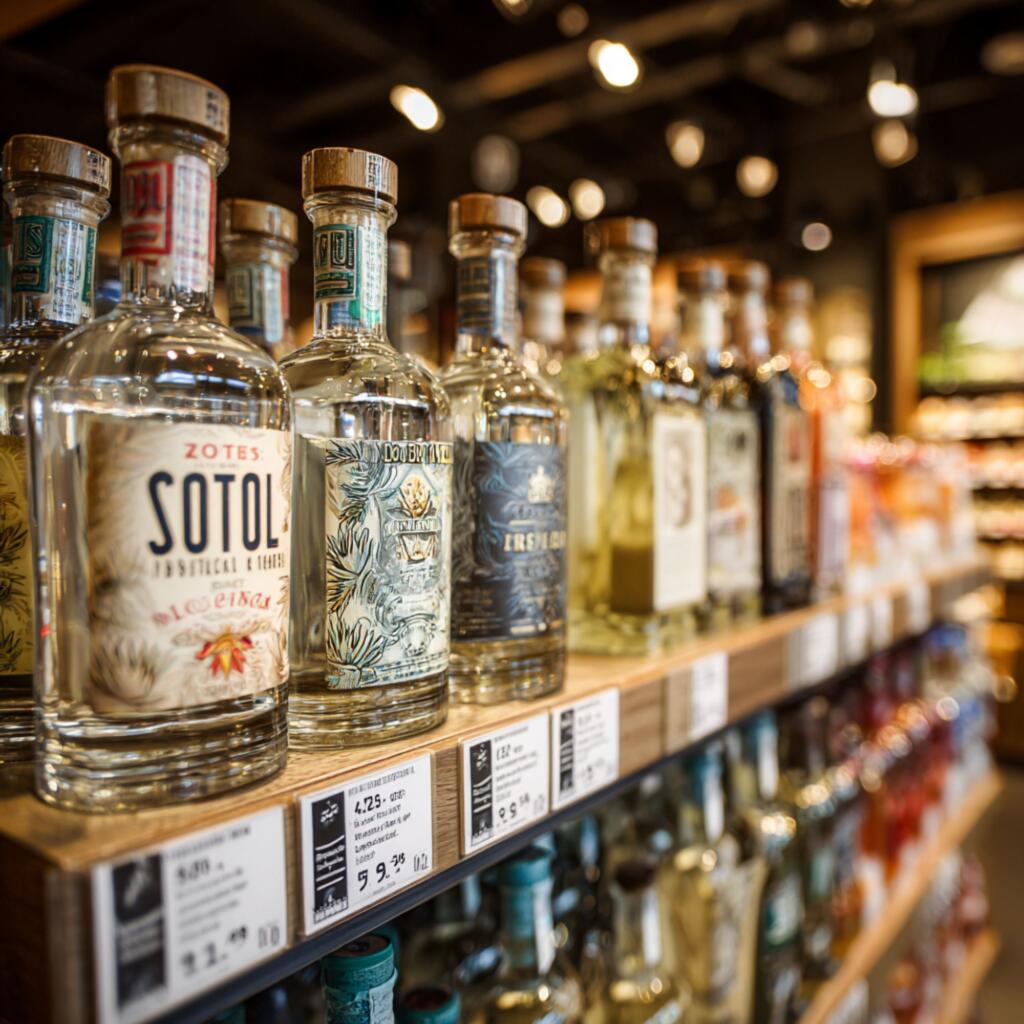
Ready to try Texas sotol? Visit your nearest Zipps Liquor location to see our selection of this unique desert spirit. Our knowledgeable staff can help you choose the right sotol for your taste preferences and suggest cocktail recipes to get you started.
With 35+ locations serving Texas communities, competitive pricing 10-30% below typical retail, and convenient delivery options expanding to rural areas, Zipps makes it easy to access quality spirits including sotol, tequila, mezcal, and Mexican spirits across the state.
Stop by your local Zipps Liquor store today or check our delivery coverage to see if we serve your area. Whether you’re in Houston, East Texas, or small communities across the state, Zipps brings selection, savings, and service to every corner of Texas.